About Synthetic Turf of Fort Worth
Artificial turf specialists for the TCU corridor, Dickies Arena vicinity, and all of west Fort Worth — built around the specific climate, soil, and event-driven demands this city creates.
Who We Are
Synthetic Turf of Fort Worth installs premium artificial grass for the west side of the Metroplex — from the TCU campus corridor through Westover Hills and Tanglewood, south into Wedgwood and Mansfield, and north toward Keller and the Alliance corridor. Our business operates out of Fort Worth and serves communities throughout Tarrant County and the surrounding area.
We built Synthetic Turf of Fort Worth around a simple observation: Fort Worth's landscaping challenges are specific. Tarrant County's expansive clay soil doesn't drain the way sandy or loam-dominant soils do. The summer heat index here is different from coastal Texas. The water restriction programs that local municipalities run every dry summer are a real constraint for anyone trying to keep natural grass alive. And the TCU game-day foot traffic that runs through Westcliff and Park Hill from September through November creates a kind of yard damage that no amount of overseeding fixes.
Our installations are engineered for these conditions specifically — not generic warm-climate specifications, but systems designed for what Fort Worth actually throws at a lawn. Crushed-granite drainage bases that work independently of clay soil behavior. UV-stabilized turf fibers rated for sustained Texas-range sun exposure. Product grades matched to whether a yard sees daily dog activity, game-day crowds, or HOA scrutiny from the street.
Why Fort Worth Requires Its Own Approach
Fort Worth is not a generic North Texas city. It has its own event calendar, its own neighborhood geography, and its own outdoor-living pressures that national turf companies — and even some DFW competitors — don't fully account for in their product specs and installation methods.
The TCU game-day reality is a good example. When Amon G. Carter Stadium hosts 47,000 fans for a Horned Frogs home game against a Big 12 opponent, the residential neighborhoods south of the campus — Westcliff, Park Hill, Berkeley Place — absorb concentrated foot traffic that begins hours before kickoff and continues hours after the final whistle. Homeowners who use their yards as staging areas for tailgate gatherings, or who simply find their front-yard route used as a walking path by stadium-bound fans, watch their Saint Augustine or Bermuda grass take visible damage within the first three home games of September. Natural grass doesn't recover fast enough between game weekends at this traffic level.
The Dickies Arena effect is similar for commercial properties. The arena hosts over 200 events annually — concerts, rodeo, NBA G League, college basketball, ice shows, and major sporting events — and the hospitality corridor from West 7th through University Drive absorbs those crowds. Commercial properties in that zone need outdoor spaces that look professional at all times, not just on low-traffic days.
We design and install turf systems that account for these realities. When a Westcliff homeowner calls about a backyard installation, we're not just thinking about what drainage their clay soil requires. We're thinking about the six home games between September and November and what kind of fiber construction makes sense for that use pattern. When a University Drive restaurant owner calls about their patio border, we're specifying commercial-grade products rated for the foot traffic that a post-concert crowd produces, not average daily restaurant patronage.
How We Work
Every Synthetic Turf of Fort Worth project follows the same discipline: written scope before any scheduling, product selection matched to actual site conditions, and installation work that meets the quality standard the property requires.
Scope Before Schedule
No project is scheduled without a written scope. You know what we're installing, the product grade, the timeline, and the price before anyone picks up a shovel. No post-installation surprises.
Fort Worth Site Knowledge
We assess every site individually — drainage patterns, soil conditions, slope, hardscape transitions. Fort Worth's clay soil behaves differently across neighborhoods, and base specifications reflect that site-specific reality.
Installation Precision
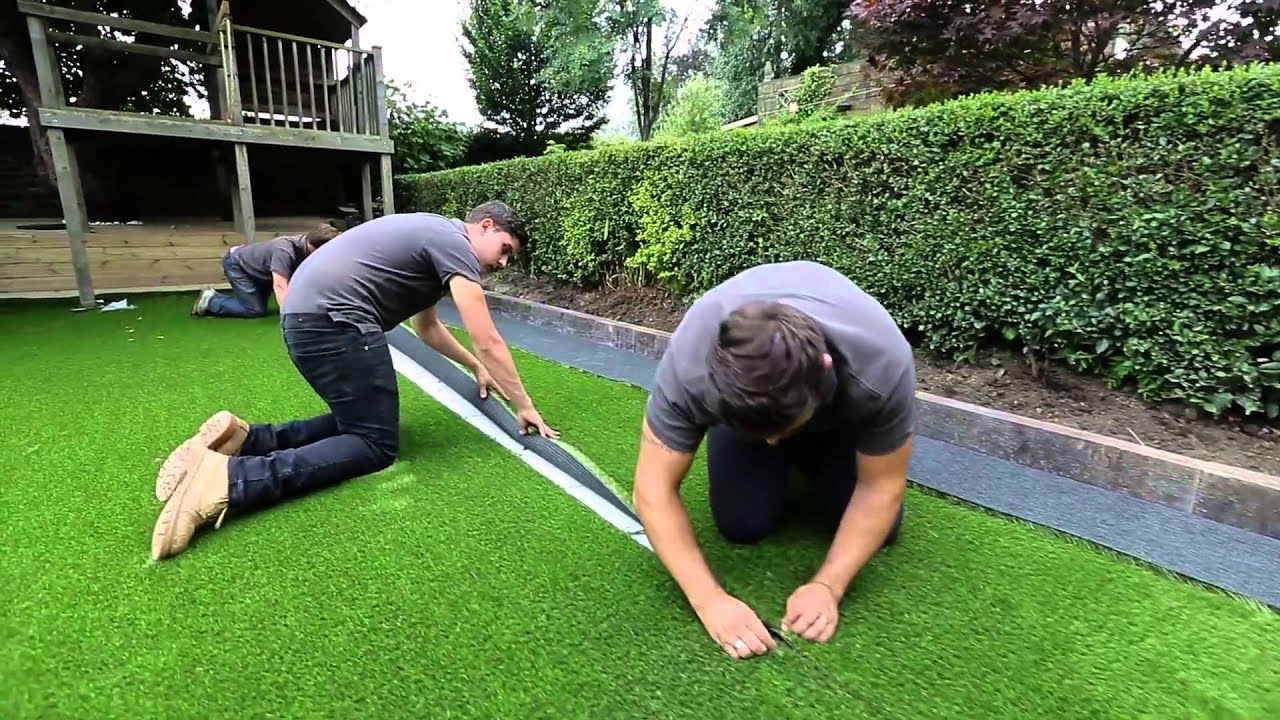
Seam placement, fiber direction, edge finishing at hardscape transitions — the details that separate a professional installation from an adequate one. We do this work at the quality level the property requires.
Why Choose Synthetic Turf of Fort Worth?
TCU Corridor and West-Side Expertise
We know Westcliff, Park Hill, Berkeley Place, Westover Hills, Tanglewood, and Arlington Heights. We understand the specific drainage, HOA, and event-traffic conditions each neighborhood presents.
Texas-Rated Materials
We source turf products tested for Texas UV exposure levels and sustained high-temperature performance. Materials spec'd for Fort Worth summer, not national-average climate assumptions.
Full Service Type Range
Residential landscape turf, pet turf, playground turf, backyard putting greens, sports fields, commercial installations — we install across the full range of synthetic grass applications in Fort Worth.
Commercial and Residential Scale
We install from small residential pet zones to large commercial campus applications. Project management, crew capacity, and pricing all scale appropriately.
Transparent, Written Estimates
Every estimate is written and itemized. Product grade, square footage, base specification, timeline, and total cost are documented before you commit to anything.
Workmanship Warranty
Two-year workmanship warranty on every installation covering seams, edges, and drainage performance. Material warranties from manufacturers extend to 8–15 years depending on product line.
Consistent Field Execution
Our installation crews follow a repeatable process — same base compaction standards, same seam bonding method, same edge-finishing approach on every project. Consistency produces predictable results.
Post-Installation Support
We provide care documentation and answer questions after the project is done. If a warranty issue arises, we address it directly — no runaround back to the manufacturer.
Where Synthetic Turf of Fort Worth Works
Our primary service area runs from the TCU campus corridor west through Westover Hills and south through Wedgwood and Burleson, north through Saginaw and Keller, and east through the mid-cities band of Hurst, Euless, and North Richland Hills to Arlington. We cover the full range of residential neighborhoods, commercial districts, and specialty applications throughout this geography.
The west Fort Worth neighborhoods — Westcliff, Park Hill, Berkeley Place, Arlington Heights, Ridglea Hills, and the larger-lot Westover Hills and Tanglewood areas — represent the core of our residential market. These neighborhoods have the specific combination of TCU-adjacent foot traffic, HOA appearance requirements, and clay-soil drainage challenges that synthetic turf addresses most directly.
In the commercial and event-venue corridor from Sundance Square through the West 7th entertainment district to the Dickies Arena blocks, we install commercial-grade turf for businesses that need professional exterior appearance through the full event calendar without ongoing irrigation and landscaping labor costs.
In Southlake, Keller, and the north Tarrant County luxury corridor, we install premium landscape and specialty turf — estate-scale installations, backyard putting greens, and sports surfaces — for homeowners and institutions that hold the highest appearance standards in the Metroplex.
Tarrant County Service Area
Start Your Fort Worth Turf Project
Contact Synthetic Turf of Fort Worth for a free site assessment and written estimate. We schedule consultations throughout Tarrant County.